Episode 17
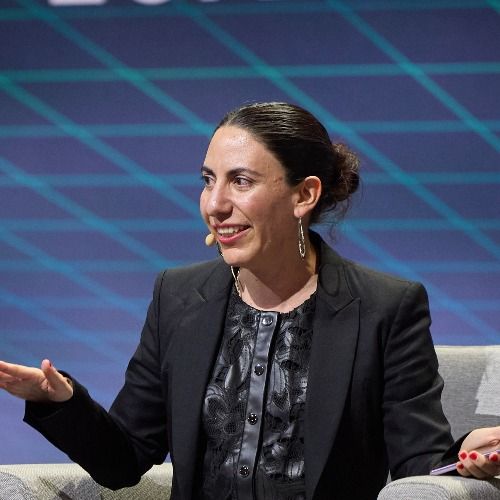
Founder: The financial super app for the 2.5 million agribusinesses feeding Africa | Shalom Ben Or, Co-Founder and CEO at Avenews-GT
My guest today is Shalom Ben Or, Co-founder and CEO at Avenews. Avenews is building the first financial super app for the agriculture industry catering for the 2.5 million agriculture SMEs across Sub-Saharan Africa. They empower businesses with access to capital and tools that allow them to understand and mange their business better, and source all the business services they need – all in one place.
In today’s episode, we discuss why FinTech in agriculture matters, the pain points in the sector, and why solving problems in product is not enough, instead we should focus on value. Shalom has an impressive mindset and has created a collaborative high performance culture so we also deep dive into his mind.
If you enjoy this episode it would mean the world if you subscribe and give it a follow so that we can have more impact. Remember to connect in YouTube or LinkedIn to keep the conversation going.
Let’s dive into it!
👉 You can find Shalom here
- LinkedIn: https://www.linkedin.com/in/shalombenor/
- LinkedIn Avenews: https://www.linkedin.com/company/avenews-gt/
- Website: https://www.avenews-gt.com/
👉 And you can find Monica here:
- LinkedIn: https://www.linkedin.com/in/monicamillares/
- YouTube: https://www.youtube.com/@moni_millares
- TikTok: https://www.tiktok.com/@moni_millares
- Website: https://moni-millares.mystrikingly.com/
If you enjoy this Purpose Driven FinTech episode it would mean the world if you subscribe and give it a follow so that we can have more impact. Remember to connect in YouTube or LinkedIn to keep the conversation going.
In this Purpose Driven FinTech episode we cover:
(0:01:19) Underwriting capabilities and providing capital to agriculture businesses
(0:03:02) Failure and the importance of learning from losses
(0:06:17) Embrace the journey and celebrate small wins
(0:09:08) The role of purpose in the industry and shifting power dynamics
(0:13:11) Expanding into riskier markets for higher impact and returns
(0:14:50) Power dynamics in providing loans to the agriculture sector
(0:21:11) Avenues' journey in becoming a lender
(0:22:21) Importance of agriculture and its potential in Africa
(0:25:25) Influence of growing up in a Kibutz on leadership style
(0:31:24) The difference between solving problems and adding value
(0:34:15) Identifying the value clients need and linking it to solutions
(0:36:52) Building a culture of purpose-driven individuals
(0:41:21) The importance of inner flame and winning together
(0:42:36) Aligning business models with client value
SEARCH QUESTIONS
- What is agtech FinTech in Africa?
- How to provide financial services to agriculture businesses?
- What are the pain points in agricultural financing?
- How to build a financial super app for SMEs?
- What is embedded finance in agriculture?
- How to serve agriculture supply chain financing needs?
- What is the role of FinTech in food security?
- How to create win-win business models in FinTech?
- What is value-based product development?
- How to build high-performance startup culture?
- What are the challenges of lending to agriculture businesses?
- How to shift power dynamics through financial services?
- What is the kibbutz leadership style?
- How to celebrate small wins as an entrepreneur?
- What markets offer high returns for FinTech?
- How to underwrite agriculture commodity risk?
- What is the future of agriculture financing in Africa?
- How to build collaborative team culture?
- What is the marathon mindset for entrepreneurs?
- How to align company and customer value?
—
Production and marketing by Monica Millares. For inquiries about coaching, collabs, sponsoring the podcast or creating or editing your podcast email Monica at fintechwithmoni@gmail.com
Disclaimer: This episode does not constitute professional nor financial advice and does not represent the opinion nor views of my current, past or future employers. The guest has agreed to record and release our conversation for the use of this podcast and promotion in social media.
Transcript
Shalom Ben Or: Thanks Monica, it's such a pleasure to have this conversation with you. I was really looking forward to this moment to have this, uh, this chat. And, uh, you know, I'm excited.
Monica Millares: Likewise, because like we met and we have a chat and then at the end, I was like, you've got a very strong mindset.
Not only you're an entrepreneur, right? Like all the entrepreneurs have a strong mindset. But I was like, I like the way that you think. So I was really looking forward to this chat. Thanks. Um, so I want to start in that because yeah, you do come across as a, as a strong man as such. And we all know that strength sometimes comes from pushing through, you know, like the rough times and we all have like tough times.
s your mindset when it comes [:Shalom Ben Or: Question to start with. Monica . So I'm a, I, when I was a kid, I was an athlete. So until, like, when I, until the end of high school, basically I was in the, I was doing judo. It's a very. Like you, you're alone, it's you in the ring with your competitor and you need to, you need to deal with it, you need to win, um, and when you lose, you lost, not the team lost, no one, it's like you, yourself, you're the one who lost, um, and I think what, what my coach and I were, we, we usually what we did is that like, we celebrated wins, But we, you know, we acknowledge losses you lost because and you go while you lost and you understand that losing is important.
It's not [:Now we always want to win and you will do whatever it takes in order to, but when you lose, that's fine. Let's put it in perspective. Let's understand and let's fight. And there is more, there is an important fights. Which win and you're going to win and there is the ones that you can lose and if you lose that's fine and I think this perspective is really important because
f you lost in, in a not that [:Monica Millares: Yes. I like that approach because it's a, it's a perspective because sometimes when we struggle, that it's the tough times.
It is. It's not like we're. Losing in a competition, it's just like life is tough, but at the same time, if we use that mindset that it's like, well, it's tough because I'm losing on my ability to manage the situation better, then you're like, Oh, I just learned something. And therefore you can make those tough times easier slash better to cope with.
n. Sometimes simultaneously, [:And if you like, you need to win everything. And if you, if you didn't win, it's the end of the world. Then it's like you, you in, uh, you don't have any, it's really hard to celebrate small wins that way, like, because. Every time that you won something, you know, you diminish it. You said like, no, it was very small.
The important is in front of us. Let's continue. Let's celebrate. Cause like continue, like expecting to win, um, will not get you to anywhere. And I think, understand like losses is super important. And to, um, to, to cope with it. But also I think through understanding that you can lose, the win is much more sweeter.
And [:Monica Millares: Yes. I like that. Really good perspective, which I'm like, that's a beautiful way to start the episode, just first two minutes. So we're like, boom, straight into it. Um, so, um, well, you have, now I know that you have also a sports background and an entrepreneurial background.
What's the piece of advice that you wish somebody gave you when you were younger, when it comes to your career or your business?
Shalom Ben Or: Um, I got so many, so many advice, which is, I should have listened. So, you know, when you start, when you start a company, everyone goes, everyone telling you, look, it's like, it's a marathon, you need to, you need to, you need to prepare yourself.
two years. It's like, it's a [:You understand that, um, you committed to something. Um, so like, it's, uh, I will going to contradict myself because if I would understand, I may not, you know, I would maybe we'll just, I would. done different stuff, which I think my path and my, my career so far, it's great. And I cherish it. So, you know, I advise that I should have, you know, listen, but not listen [00:07:00] is like that it's a marathon.
It will take time. Um, and I think the one piece in this advice that I would, um, maybe take more seriously is to enjoy. Enjoy like the, the beginning. Enjoy the small moments. It's so hard to start, but there is so much fun stuff there and there is so much, um, know really important events that happen to you and you when you start your first money, like your first, like, you raise the first money even, it's a $20,000 each.
ebrate it hard. Um, I think, [:Monica Millares: good.
Yes. Yeah, you're right. I'm a big, I'm a big believer in celebrating, uh, the little wins. I call them micro wins, because yeah, it's like it's the micro wins that make, that make the difference. It's not just the, whoa, big trophy. No, it's a micro win that, that shows you the, that there's progress and that keeps you going.
Because like you say, it's a marathon. Yeah. So this podcast is about basically how can we create an industry that it's more purpose driven and creating products that have impact. In your opinion, what's the role of purpose in the industry and how can we make it better?
Shalom Ben Or: I [:Doesn't have doesn't have a solid business model. Um, and I think when I look on how we, how we, how we look on, on the solutions and the product we bring into the market, we, we look for, for, you know, three different components. Um, one is the value we bring to our clients. From our perspective, when we lend to a client, eventually when we give him the money, when he pay us back, he need to have more money in his pocket.
ess money. Um, so it's like, [:It's not like you need to search for the value. It's not like you really enjoyed from the experience. Therefore, you had value or you got it very fast. This is your, no, your value is that you have more money than us. Our value and your value is similar. Like it's based, it's made, like the basics are the same.
esn't have access to capital [:You have gaps compared to someone else who have the access to, um, so what we're trying to understand, or when we look on problems, we're looking on how we can shift power or spread the power even, um, in the industry. So we working with, uh, within the agricultural supply chain and we always, when we lend to businesses there, so we lend to small to medium sized businesses within the agricultural supply chain.
est. the access to products, [:So I think like when you look on problems that you want to solve, see how you can shift the. The power gaps see how you can, you know, bring a solution to someone who is like in a, in a, in a position that through financial services, he can become. Much better. You have much more power, banking power, ability to do more, et cetera.
ups, I think, uh, because we [:It's really rare. that a company will say our market is in Africa. This is what we're going to do. This is what we believe most of the different filter companies looking on the global, on the Western world, trying to, to Do very important things and like shift the needle. But eventually everyone go to the same place.
e the product and how we can [:Okay, we'll be able to scale fine. Business model is fine, but in Africa or in, you know, the riskiest, the riskier markets, you can do it in a smaller scale, higher margins, you know, it's, uh, it's, it's balanced it up. Um, I think the way, the way I see the industry coming, coming along and like evolve and be bringing more impact is like.
ics. And get the same value. [:And third, think about the market, like see where you can create. The best returns. Um, and yeah, take more risk, be more, be bolder.
Monica Millares: I love I love all of it and it's the 1st time that I hear about power and power dynamics. It's like, and you have a very good point. It's like, our customers in your case, like, customers in the agriculture sector.
tion is that because of that [:Shalom Ben Or: and it's part of our like risk risk.
Um, Engines and everything eventually when when we look on the agriculture industry So we what we see is that in trading environments put aside agree The ones who hold the commodity He's the one who set the price is the one who like set the dynamics in the market Then you move to agriculture and like the ones who have the product which are the farmers Have zero power.
really believe that if they [:Which is include payments, um, understanding of on their margins and how they should do their business, make them better businesses and give them the access to capital they need. And they will win. You know, they will become better. They will be able to negotiate better on prices, um, get better products.
And, and, uh, so I really, it's not just me believing it. Like our fundamentals are aligned.
Monica Millares: Awesome. And I think we're like full on in the conversation and we haven't talked about avenues as such. Can we're like, yeah, agriculture, decent fintech. And can you tell us what did you guys do? And then how did you come up?
ome up with the idea. What's [:Shalom Ben Or: I think this is a financial super up for the agriculture industry We here to serve the 2. 5 million agriculture small to medium sized businesses across the African continent currently we're doing Kenya. Our clients are businesses who serve the farmers.
which either they sell them the agricultural inputs the farmers need in order to plow the land. chemicals, animal feed, you name it. They have stores. We give them the capital to stock up and be able to, to sell forward to the farmers. And the other side of our customers are the traders, the aggregators, the small millers, basically the, the immediate market for the farmers.
es because We are across the [:So from avocados to tomatoes, all of it. And. What we, what we build in order to serve this wide variety of clients is that we have a very sophisticated underwriting capabilities. It's taking into consideration the uniqueness, the agriculture industry and the uniqueness of the businesses. So we understand the commodity risk, the value chain risk that these businesses carry with them.
nd we do it through our app. [:the current customer base, they need everything. They need to be able to bank. With the, start up company or the higher company that give them the loans and give them the payment infrastructure. So what we did is that we bonded everything into one up, basically allowing our clients to choose the amount of services they would like to get from us.
eed to do in order to become [:We are the management system for the business. the lender. So we can allow you to understand and do different things. And now here you go, you're eligible. So you can borrow from us. And it also allow us, sorry, allowing us to collaborate. We're collaborating with other lenders, such as banks. We collaborate with, with other software companies where we embed our lending capabilities into them.
ee it is like we're like, an [:And it's all start because we're super naive. Um, we, we, we, we looked on the agriculture industry here in Israel. And we saw that's like, cannot be so it's such an important industry and, and no one is lending to, and like farmers in Israel really struggle, but Israel is a very small country and what just to build a company for Israel.
h to, to serve, to serve the [:We said like, cannot be someone like it's something that can be solved with and. We, we applied to the Techstars Barclays Accelerator program and we got in with like, um, a presentation, basically, like we were, we were agreeing as head. Um, but we took this opportunity and we, we managed to sell to Barclays, a pilot, Barclays Africa, um, raise money, build a company.
ext, for this, for the first [:Monica Millares: Awesome. And then why agriculture is so important?
Shalom Ben Or: We all eat, you know
Eventually if we want if we want to continue and like have this access to Healthy food and to allow into fresh food. We need agriculture and in agriculture and arable land In the Western world is diminishing. So we have less and less arable land. And in Africa you have like endless currently, if you look in on the continent potential.
e way we see it, Africa also [:Um, so we believe that tapping in where we are now into this very big niche allow will allow us to grow with the continent, to become a standard across the continent. How, how have, uh, agricultural is being financed, how businesses are being set. Um, and eventually how commodity is being. Trade and move across, across the supply chain.[00:26:00]
Monica Millares: Yes. And I think like talking about impact avenues is like one of those fintech studies actually having impact. It's not just. Hey, let's build a super app. No, it is like you have the, well, you just explained, right? Like there is a big need. We all eat as simple as that. And then the people working on the, on the food for us, like they need to be better supported.
So I'd love that from you.
s that our clients will make [:And that they will go and we're working in Africa. We have very good returns, you know. We're creating very good returns on our capital. Um, and we're growing very nicely. So, from my perspective, this is the win win synergy. Um, the market should have with, with company, you know, should have very good returns.
You should do very good to the economy you're working in. Um, so yeah, I'm, I'm
did that influence even your [:So this
Shalom Ben Or: is, this is like, it's my father answer. Like he heard me one say, like answer it and he said to me, like, listen, Shalom, you're like fourth generation farmers and, and I, and he, he's right. Like, like when my grandfather, grand grandfather came to Israel from. Um, everyone were like, we're farmers, you needed to, this is what the profession and when you grow up in a kibbutz, you need to, so a kibbutz is a social village and you need to, when you're a kid, you need to donate one day of your week for work for the community and kibbutz majority of the businesses are agricultural, um, related.
ry. We have turkey chickens. [:Um, and when I got older and we saw, we thought about what we should, what we should do and what, what problems we should solve. The moment we looked at agriculture, it was an immediate tick. Um, so this is why agriculture is so, so close to my heart. I think you also asked, like, how did kibbutz influence my, my leadership skills?
you can do whatever you want [:Everything will be there with you, um, and give you the guidance. And there will be an adult who. To assist but eventually use a kid you need to You need to do it. And I think early on, we had people who were the leaders there who, who need, who took them on, on themselves and like land and execute. And I, and I was one of them and, and I think it's really hard to lead a group of kids, you know?
ou need to follow the rules. [:We did parties. So we needed, we wanted to have like for a party for the entire region. We organized everything, the kids, you know, including, you know, the security and the amount, like the price, everything was part of it. If you are like I was in the front, so it's like really taught me on, on, on how to do it, how to motivate people, how to be able to, to lead from with an example, because again, you don't have any power beside the fact that you plan it [00:32:00] and you're going, you're going to execute it.
But like, you're the kid, like everyone are the same kid. Yeah. Like everyone on the same level, no one gave you a degree and say, Hey, you are the. In charge kid. No, you're the kid. Everyone are the kids. Um, and I think leadership, leadership to come from, from like, not from a power position. You need to come from, from a momentum, from, from, from an example that you, you set.
Monica Millares: Yes. We children lesson that you. Did you have when it comes to leadership because it's a very interesting experience that you had that it's like you weren't meeting other kids Well, you were a kid, but nobody told you you are the correct
title you want eventually if [:One of everyone. It's like fine. You're the leader. There is no you can do everything and you are willing to do everything and you are doing everything. And the fact that you're the leader doesn't give you any special rights. Hey, I'm not doing this job because it's under my my page or whatever. No, people see it.
in lesson is the title title [:Monica Millares: Yeah. And I think what great, what you're giving us is a proper definition of leadership. It is not exactly, it's not a title of the highest paid in the company, fancy title names, but it's a, Hey, I'm with the people and I'm willing to do all the jobs.
And like you say, people do
Shalom Ben Or: notice. Your hands are the same as everyone else.
Monica Millares: Yes. That's a, I think we need to bring that more to work, not even corporate, non corporate, like just to work a little bit more of that leadership style. Yeah. I like that. So at some point you talked about, um, solving problems. But then solving problems doesn't necessarily means adding value.
xpand on that and how you're [:Shalom Ben Or: Yes, 100%. So, you know, you can, you can solve problems that, you know, there are problems. So, you know, our clients. One of their problems is that they, you know, they manage themselves on a piece of paper. Fine. You know, so you can say, Hey, I want to solve their problem.
thing like, Hey, you gave me [:It doesn't move the needle, like why I should use it doesn't give me the value I need. and I think, look, what we're trying to do is to look on, the, the value our clients need. Understand why they're not getting this value from what they have and see if we can give them these values through our solution.
a value, it's also very good.[:Monica Millares: Yeah, and I think this turns product management on its head because usually we say, Hey, you have the customer, we need to find the customer problems. And then how do they prioritize them? But actually it's more of where we can turn that around and say, what's the value that they need, that they are not getting right now, which is very different to which problems can we solve for them?
It's minor tweak of words. I agree because
Shalom Ben Or: eventually. You don't, you, you wake up in the morning as an entrepreneur to seize opportunities and like solving problems doesn't mean you seize opportunities, creating value means that like you can, there's a price for this value is something you can get out this value.
to solve because eventually. [:Monica Millares: Yes. And do you have a framework or way of thinking in which do you identify this value? So
Shalom Ben Or: what we do in Avenues is that we always try to think about our client first. So.
, how we can mobilize to our [:And then we, and then what we're trying to do is not think about ourself and think about our clients first and then, and see if it ties. to our benefit or not. Um, and if you look on digitization, so all of our clients really want quick and easy onboarding process. They don't want to go into a branch, sit there the entire day, fill up papers.
They don't want it for them. Value is like quick and easy. Um, and they can do it. So while we understand that current problems that they have is that they need to go into a branch, fill up paperwork and understand it's fine. This is the this is a problem they have. And one of the issues. Of lending to the segment, but the value they want is like be able to do things really quickly.
and this value also ties to [:See if there is synergy to the value we want to, if it's linked, if we can link it to one of the values we want to get out of this product that we want to roll out, tie the two and then move it out.
Monica Millares: I like that. That's a good way of thinking. Because many times you have like, Hey, we're solving customer problems. That's, that's a very common phrase within the product world, solving customer problems, and then you have company problems and yet you need to tie them up or you're compromised one for the other, but in your case, you're like, no, it's not about compromise.
It's, uh, finding the value for both parties,
ercent eventually, you know, [:Monica Millares: definitely. Um, so coming back to avenues and your culture, how would you describe your culture and how did you go about building it?
I
Shalom Ben Or: think, you know, first of all, we. We really, when we interview people and when we bring people into Avenues, we're looking, we have like a, we're trying to find the DNA, like the Avenues DNA, which I believe most of the company is trying to do so. Um, for us, DNA should, should be someone who can, you know, who can, we can see he is like purpose driven.
paycheck, um, which is super [:People that work from the heart, you know, they with, they will be with you in the, in the hard time, you know, they will not leave the company. They will, they will, they will want to push the company as, as strong as you want to push the company because they're like, they, they, they, what drive them is like an internal fire of, you know, I want, I want to, it's important for me to do something.
this, this is how they would [:Then we speak, you know, we, we operate from, from that, from, we, we, we feel this inner fire. So, you know, we very direct, there is no filters. You did a good job. You get a well done. Something was wrong. You will know exactly what went wrong. But when we speak with you, we both speaks from the, from the same position of, you know, inner flame.
So when. When I'm excited, when I come to you and I like give you feedback, even if it's a hard feedback, you will not fear of me going to fire you because both of us were coming from the same place. So we both want to win. We both are angry that we lost. Now we need to fuel this energy to win next time.
Um, I [:When we speak with our team members and when we do our dailies, we do it with passion because we're like excited from the day. It's super important for me to reach the targets for the week. Um, and, and I think this mentality is something that We really, we chase, we, we, we succeeding building it. We're like people, no matter they rank within the company, they come to win.
They will come in, you know, [:And they, they come because they really want to, they want to win. They want to, they want to do something important and they relate to avenues. And, um, so, and this is our culture. Eventually it's like, and it's amazing. It's amazed me every time. Like I was in Kenya last week for two weeks, you coming to the office, like people running in the stairs, if they, if they lay, they run, not because they are being afraid of being let go.
s a great feeling to see the [:Monica Millares: Yes. I can imagine because like, I even like the word that you use, that they have like the inner flame, you know, it's like the inner fire. And that's, well, if you've managed to hire people with that, then the company just keeps going, going, going. It's, it's, uh, it's a great principle. I think, especially as a founder, once you, you know, like there's companies that founders leave, come, go, whatever, but then it's, uh, if you're still the founder, then I think it's a great trait to keep within the company.
You
Shalom Ben Or: know, it's our company. We speak in we. It's ours. It's us. We win together. We lose together. I like that. Yeah.
g and winning and now we end [:Um, where can we find you and
Shalom Ben Or: Avenues? So I'm, I'm on LinkedIn. Stop having business cards. So I'm only doing, um, I think my, my email is quite, quite available. If you like to email me, it's also fine. I answer emails, I answer LinkedIn, um, so feel free to reach me out in one of the, or two of the platforms.
t impact in customers, staff [:What would that be?
Shalom Ben Or: So from a very humble. Uh, my, for my very humble position, I think, um, the value, I think, um, fintechs need to have the same, they need to aspire to center to sync their value and their client's value. It cannot be that they're like, you, you will win once your client will not pay you on time.
Like, you want the client will not pay you on time and this is your business model. It's just, it cannot be. I don't see it as a viable, it's a viable business model.
Monica Millares: Yeah. Yeah, I think that's a great point. It's a win win
the client value need to be, [:Monica Millares: I love that Shalom. It's been amazing having you in the show. Yes.
Shalom Ben Or: Monica, I really, really enjoyed the conversation. Thank you so much for having me in your podcast. I'm really looking forward to hear, to hear this conversation when it would be released.
Monica Millares: Likewise. Thank you everyone. See you next week.
Okey dokey. Oh, that was really good. Thank you. Yeah, it was really good. Yes.