Episode 25
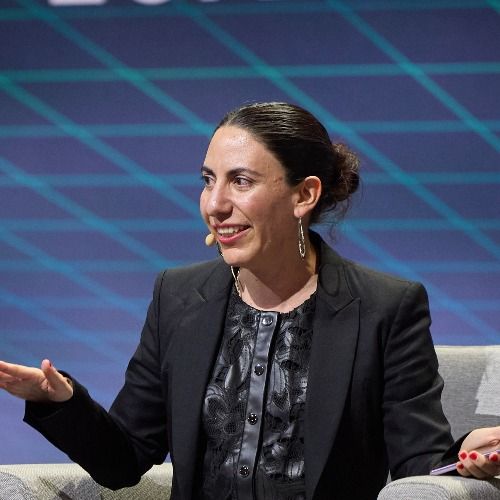
Founder: Bringing Banking Access to the 60% Unbanked Mexicans | Iliana de Silva, CEO & Co-Founder at Techreo
Financial Inclusion means reaching out to customers who are by definition not very digital savvy, so how do we do it in the age of digital banks? … A hybrid partnership approach seems to work as a solution!
In today’s episode Iliana de Silva, CEO and Co-Founder at Techreo brings her perspectives on financial inclusion, financial wellbeing, and how Techreo is actually reaching the unbanked in Mexico with a Bank Partnership model. 60% of Mexicans do not have access to a bank account, and social media and referral rewards won’t be enough to include them, we need a different approach and Iliana and the Techreo team bring a sustainable solution!
If you enjoy this Purpose Driven FinTech episode it would mean the world if you subscribe and give it a follow so that we can have more impact. Remember to connect in YouTube or LinkedIn to keep the conversation going.
Let’s dive into it!
👉 You can find Iliana here
- LinkedIn: https://www.linkedin.com/in/ilianadesilva/
- LinkedIn Techreo: https://www.linkedin.com/company/techreomx/
- Website: https://techreo.mx/
👉 And you can find Monica here:
- LinkedIn: https://www.linkedin.com/in/monicamillares/
- YouTube: https://www.youtube.com/@moni_millares
- TikTok: https://www.tiktok.com/@moni_millares
- Website: https://moni-millares.mystrikingly.com/
We cover:
(01:56) Understanding the Customer's Needs
(03:34) The Journey of Tecreo
(08:29) The Underbanked Population
(12:05) The Role of Women in Financial Inclusion
(17:26) The Challenges of Financial Inclusion
(20:32) The Success of Tecreo
(24:40) Planning for the Future
(34:50) The Experience of Fundraising as a Female Founder
(38:39) The Importance of Customer-Centric Product Development
QUESTIONS
- How to serve unbanked population in Mexico?
- What is the hybrid bank partnership model?
- How to reach 60% unbanked Mexicans?
- What is financial inclusion in Latin America?
- How to solve daily financial problems for underbanked?
- What are cash-in and cash-out solutions?
- How to serve women in financial services?
- What is the mom-and-pop shop banking model?
- How to build products from customer standpoint?
- What is financial wellbeing for low-income segments?
- How to enable savings for informal workers?
- What are barriers to banking in LATAM?
- How to onboard customers in under 3 minutes?
- What is the difference between banked and underbanked?
- How to solve prepaid phone recharge problem?
- What is informal savings behavior?
- How to reach non-digital savvy customers?
- What are daily financial services needs?
- How to build financial education for underserved?
- What is the future of financial inclusion in LATAM?
—
Production and marketing by Monica Millares. For inquiries about coaching, collabs, sponsoring the podcast or creating or editing your podcast email Monica at fintechwithmoni@gmail.com
Disclaimer: This episode does not constitute professional nor financial advice and does not represent the opinion nor views of my current, past or future employers. The guest has agreed to record and release our conversation for the use of this podcast and promotion in social media.
Transcript
Ileana de Silva: Thank you, Monica. I'm so glad that you invited me. I'm here very happy with you
Monica Millares: here. Thank you. And for everyone, I know we had an intro, but Ileana needs a super special intro because Ileana was my boss in my very first job back in Mexico.
So she had a massive influence in my life. We don't even know what that influence exactly was, but that steered my career in the right path. So thank you, Diana.
Ileana de Silva: Thank you, Monique. It was a real pleasure, a pleasure working with you in your first job with me.
Monica Millares: And then it's amazing because then it's like we both It's been like, what, almost, I don't know many, years over a decade.
ere doing when we first met. [:Ileana de Silva: Yeah, when we worked together like 17 years ago, this was our dream. And now that technology has helped us to build this dream. So yeah, I'm very happy that, that after 17 years, we're in the same thing. Yeah.
Monica Millares: Exactly. Exactly. Cool. So let's get started. This podcast is about how we can build purpose driven fintechs and how we can have more impact.
So in your opinion, what is it that we can do as an industry to build more purpose driven fintechs?
Ileana de Silva: a lot of fintechs and there's a lot of different fintechs that offer different services for different population and for different audiences and for different segments of the population.
's really important, it's to [:That's one of the main things that we should all start doing. There's a lot of fintechs that they're doing the same. Some are doing different. There's a lot of in, in, in one segment of the population. But I think that if we start To build the products, satisfying the needs of the targeted population, this will be a different, ecosystem.
t you do, it's at the heart. [:Ileana de Silva: Exactly. Because you try to solve one thing or different things, but you have To know what the situation of that customer is in order for you to build something that it really helps to solve common problems in their lives, like saving 1 a day or spending 1 a day.
So it's really or going to the market or buying food. So if we understand the real problem, that common problem that we all have, then we can build a product that solves that needs.
Monica Millares: Yes, totally, So what are you doing in Tecreo?
Ileana de Silva: it's a digital platform that offers, the technology for financial institutions that have been in the market for the underbanked population in Latin America.
titutions to offer financial [:They have loan [00:05:00] products, micro loans, micro credits financial services for the under, under underserved. But now they have. Savings, and they have loans, different types of loans, different types of savings financial education, a marketplace, insurance transfers, payments, a debit card. So we, see the Creo as a tool for financial inclusion and financial inclusion for us is a All the financial services that you need at any moment in your life to be accessible at in your application, no matter where you are.
ith this technology in order [:Oh,
Monica Millares: I love that. And I was about to ask. I was about to say, Oh, my God. There's so much in that last minute. Let's just deep dive a little bit deeper. But I loved what you just said that it caught my attention. Basically, there's these institutions that still have branches and they still are using agents to go to people.
In my world, in many Pintekers developed countries mind, we have this conversation of, Hey, the big bank's moving away from branches. And you're like, No, we are empowering branches to reach this population. That's awesome. Can you
house you, cannot get with, [:And then you get a, an ad on social media, open your bank account, and That's not how it works in the in the bottom of the pyramid. So you have to have this confidence. You have to have these human touch to get to these base of the pyramid and the financial institutions that we're working with.
They have been in the market for over 30 years and they have. These field officers that have worked with these people for years. So when you get them, you have to open a bank account with our application, which is the CREO app. They say, of course, yeah, the money is in the regulated financial institution because we cannot, the savings and we cannot take deposits.
our difference. Our more our [:Because when you get with all technology, giving out some ads and giving out money, they are targeting the banked people. We want to go to the underbanked population that doesn't have financial services.
Monica Millares: I have so many questions now. Okay. Who are these underbanked people that do not have financial services? Because, and the reason why I'm asking this is because you're totally right. Like the 90 percent of fintechs, oh, we're digital, we're savvy. We are trying to build financial well being for everyone. And there's this narrative of accessibility and the underbanked and the unbanked.
st said, we have that in our [:Ileana de Silva: Giving you a little bit of numbers, 62 percent of the population in Mexico do not have a bank account.
62 percent of the population in Latin America, you can go and it's around 50 percent of the population that do not have bank accounts. Some, countries, it's 40, some countries, it's 50 Spanish speaking Latin. So it's, an opportunity, a huge opportunity. And you go to the U. S. and you have at least 40 million Hispanics that do not have access to financial services.
e utility bills, you have to [:So they spend 50 pesos on the equivalent in dollars every, week in recharging their phones, in, in, buying airtime. You need. That type of solutions we were talking about at the beginning because they do that and they go to the mom and pop shop to to buy the airtime and if you give them the opportunity to have this application and whenever they are.
With, of course, cash in and cash out solutions, then you are solving their daily problem, not to take a bus and then to go to the mom and mom and shop, mom and pop shop to to, buy airtime or to save a little bit of money. So you give them the tools in order for them to solve their day to day problems.
Monica Millares: [:Ileana de Silva: So as, I was telling you, not everyone needs a loan because some of there, there are a lot of good, very good fintechs that are offering only loans. But no. Probably you have a loan or probably you don't have a loan right now and, but you had have a loan at some point in your life.
So you, don't have to have that every time and you might always save a dollar. Or 2 or 100 or 1, 000. So if you can solve them, all these financial services, then an insurance. So yeah, so that that's the underbanked population that we are talking about these ladies. Families that they live alone, that they are in charge of all their own their, all their kids.
't get with Facebook ads, an [:Monica Millares: Yes. And I also, now that you say the ladies, basically, I just saw that 60 percent of your customer base is women.
That's impressive. Can you tell us more? How did you do that?
Ileana de Silva: Yeah. back that the women are at least in Mexico and a lot of parts of Latin America are the the head of the family, because women have been have been always good payers in the loans, very good managers in their, homes, and they do need the tools in order for them to save, even if they don't have a bank account, they save in their kitchens, they save under the mattress, which is a really, a common, slogan that everyone uses, but it's, real.
If, you see of what, of the [:And they will have to save for that day that they didn't save. So in the pandemic, they could not stop working because they have to work in order to eat every day. So they do save to get a continuous income over time. So that's the underbanked people that we have been working with them for over 19 years.
You don't eat. And I'm like, [:Ileana de Silva: so yeah, that's a reality that it's really difficult to get in.
And, that has been our dream. Making them safe and then having them in the loan. And of course, you get to more sophisticated products. That's our goal that we can talk about a little bit later.
Monica Millares: So now that we have gone into the roots of the underbanked, and it's a major problem in Mexico and part of Batam as well.
When we talk about financial well being, Most of the narrative is thinking about the digital savvy out kind of definition of financial well being for that customer. What's the definition of financial well being in the context? Of the under banked population.
Ileana de Silva: I think that the financial well being, it's more or less for everyone.
mount of income that you get [:So financial well being for me. It's first knowing your numbers. Knowing how to use them, knowing in, a little bit more sophisticated is when to save and where and when to invest in something, when to rent and when to buy. So those financial concepts that probably we studied in the masters or in, in the, in our BS, when we were.
[:So I think that financial wellbeing is that it's, knowing when to use the money to, in, into what kind of product that you will, that that, you have in your, in, in, in your hands.
Monica Millares: I like that definition because it's not only know your numbers as in the metrics that you need to know, but then know what to do with them.
he population safe. But then [:If they would have the financial well being, they will have these because they, save for a rainy day. So it's, so, that's the difference for me, right?
Monica Millares: Yeah. Yeah. And how do you think we can achieve financial inclusion? It's 60 percent of the country's out, right? So how do we include them in?
Ileana de Silva: Yeah financial inclusion. It's, as you said, everyone goes out and say that they're doing fine. We're all doing financial inclusion. But as I was telling you, financial inclusion for us, it's offering all the products that you need at any time in your lifetime. So how to get to financial inclusion?
I think that [:When you get old, you if you saved, you have a head problem up from the other guys. So if we should start doing financial education since their Children and then giving them. to financial services because access is one of the most important things. And what happened with the CREO is that we sought this opportunity for with the technology, because I'm going to, I'm going to give you an example.
Before COVID, [:And now that we have the technology, you can open an account with Tecreo in three minutes with your ID, a biometric face ID, and then you get a bank account. And we are giving them money to open the bank account. if you, you a little bit of money. If you recommend someone to get the app, we'll give a little bit of money.
cost that it was absolutely [:Of course, that if you want to Change your service from one bank to a fintech. Of course, they're better than the banks, of course. But how? How should we go to these people that they do not have access? So technology has gifted us with that. And we are so happy about that integral. We already have 400, 000 customers in the application.
So we have had a lot of traction on that. Yes. Awesome.
Monica Millares: And then, okay, we have the traction. We have customers coming into the financial services system because now it's easy under three minutes. And then what are the pain points that we're solving for once they are
ling which is another one of [:We started a credit card like this week. Congrats. Yeah, thank you. It's our new feature. So the pain points, it's, of course one is the cashing and the cash out, because there's a lot of cash is king still in a lot of Latin countries. But then if you use these mom, and pop shops in order for, use them into, to cashing and cash out, then you have solved the problem, and that's what, that was what we have done.
percent in [:We will have less people in that situation. But then, the pain point is the cashing in and the cash out. Then the moms and pop shops. Then the age, because there are some people that are 70 or older that they do not use apps. But then You can have all these new kids that start and leave, and probably since the womb, they do know how to use the app, right?
We had a different problem, you and me. And that would be the pain points. And also, One of the challenges that we had when we started Tecreo and they told us that no that's not a work, that's not going to work because they don't have an email. They do have a smartphone because everyone has a smartphone.
s a smartphone. So once they [:Monica Millares: Awesome. You, open my eyes to that, to the user experience. It is, it has to be different to your traditional Revolut's monzos of this world, which are targeting another population.
Ileana de Silva: Yes, of course. It has to be very, different because they don't know terms. They are not familiar with a lot of terms that you can, you and I can be familiar.
So we use big [:It's two clicks and you have done it. So we work very, hard in doing things simple. And it's really difficult to do things simple. It's harder to do it simple than do it complicated.
Monica Millares: Yes, definitely. Definitely. So now that we are like getting into Product territory as such coming back to the customer.
What is it that they love about the Creo?
doesn't [:24 7 started with an app that only had transactions and now we have, as I told you, a lot of features and we're always working on more. So the speed of developing it's, it's, has really, make us very, different.
Monica Millares: Yes, and I was like that caught my attention because I'm like you guys are pre seed and then in just two years you built The whole product suite while for many of us it's taken years What was your product strategy?
rent in each country But for [:What was your secret to building the whole suite in two years?
Ileana de Silva: We didn't build it in one day, that's for sure. Of course. And what we have, it's, we are three founders. One is a very techy, geek, super guy that had been, has been working in the segment as well for 19 years. The other guy is a businessman, absolutely.
do whatever we wanted to do.[:All this time. So we founded the CREO on October 2021. And we started developing the application. Of course we had one service provider that gave us an application that already existed. So we just put the look and feel, but then on the meantime, we built our own and then we change it. So now it's proprietary, the technology.
And we started with, of course, an MVP, and we developed a roadmap, and we worked very, hard in order for us to build each of the products along with a financial institution. Because the financial institution is the one that gives us that the rates and the the regulatory framework and the risks that they are willing to take in order to offer loans through digital market.
So we, we started [:Monica Millares: build it good.
Yeah, I think you've done a great job because it takes even if it's with a partnership, it takes a lot to build a fintech and it's your precede. And then it's, you have the full suite. And in two years you have 400, 000 customers, 60 percent are women. I'm like, you have like key metrics that are like, cool.
Ileana de Silva: It's good. I'm going to, I'm going to be a show off, but we are already profitable. Oh, my God.
Monica Millares: That's amazing. Congrats. Yes, that is yeah, I think.
Silva: Yeah, I know. That's [:We wanted to be break even. So we worked very hard on putting our costs down and, attracting the customers and building the things. So we have been profitable since April this year. And we have, of course, infinite runway right now. And I want to show off as well that we just closed two weeks ago a second round.
Awesome. Congrats. Yeah. We are already in Bolivia starting two months ago, we started in Bolivia and we would probably start our third country next year.
about your planning for next [:Because exactly going into another country. It's a big deal as well. It's like the whole company starts changing as you start doing market expansion.
Ileana de Silva: Yeah, we are, we haven't finished the year yet, so we are starting our secure card lending. This week we launched it, so we have great, Expect expectations on that on that credit card because it's also first credit card for the people that do not have credit history or the people that have bad credit history so they can clean up their credit history.
So we launched our credit, card, and it will deploy on this on this month and a half that we have on this year, and then we have a new business model. Yeah,
you know I never stop. [:Monica Millares: At some point, I'm going to interrupt you at some talking and saying, Yeah, I'm really good at taking this idea and then taking the idea all the way through operationalizing it.
I'm like, Oh, my God, that's one of my strength like. Genuinely, that's one of my biggest strengths and I'm like, now I know where I learned it from. I learned it from you. Oh, so much. I'm like, yeah, probably I learned that in my first job. That's how you work, right? You have this idea and then you think of da you're personalizing and it goes
Ileana de Silva: live.
Yeah, yeah,
Monica Millares: yeah. I learned that from you. I learned that from you. I didn't know.
Ileana de Silva: Oh that's great. Yeah, I was new business model, which is we started with the application in order to give financial access to people. Okay, but there's a huge opportunity in small businesses.
ved SMBs that they still use [:Cash management, savings, loans, payroll, corporate cards, so a very big roadmap on this Tecreo business that we just launched with the MVP, which is all only cash management and savings. But we have a huge roadmap for next year in order to deploy all the products that we have in mind into this platform, which is Tecreo Business.
finishing this year, Tecreo [:Monica Millares: yeah, I Like you have a strong consumer business. You're about to enter the SMB that is totally.
Underserved globally, I believe, and I was like, what's your biggest challenge next year? Then fundraising.
Ileana de Silva: We have, we have a few challenges next year. Of course, one is, fundraising. Another one. It's going to the third country, as I was telling you. And of course, the challenge that has always on.
It's always on our minds. It's generating more revenue, of course. We closed these round two weeks ago, 3. 4 million. Yeah,
keting, investing in people, [:So we are always focused on staying in black numbers even, though we are about to, revamp the, marketing side and, the technology that we'd always it's you One thing that you always have to do, but our challenges for next year is generating more revenue. Our series a and, and the third country.
That's like our top priorities. Of course, and developing all the products that we want.
Monica Millares: Yes, being the day to day fintech. Yeah, exactly. So you mentioned the word fundraising a few times. You've raised funds recently, you'll go into Series A next year. It's obvious, right? You're a woman.
You're a, [:Ileana de Silva: co founder? It has been a journey. Of course, it's been new for me. And I've learned so many things every day.
But it has been really a journey for me. between like a lot of nasty experiences and not nasty experiences, but some, investors do not look into the eye of a woman in order to. Yeah, I know. I know. I know. I've had that. Are you real? We have
Monica Millares: like well educated people. Of course.
They're VCs. Exactly.
hat's insane. But I have had [:So okay, yeah, okay, whatever. So it has been as complicated, but I, do a lot of follow up. Me I'm very persistent and I do a lot of follow up with all [00:37:00] the investors that we get in touch and I sent a newsletter every month. So they know me and, it has been complicated but we have raised too serious, so we've done
Monica Millares: it.
Yeah, it's difficult, but not impossible. And you've got an amazing business. Yeah. And you are properly solving a genuine need in a differentiated way because you know this customer. Like I met you 17 years ago and we were working with this segment. Yes. You're still working with this segment. You know them.
Ileana de Silva: Yeah, so it's we have the business model. We have the experience of on the segment of the population, and we have the skills and we have a very good, product and scalable. Of course, we have a huge market to go into. And there's not a lot of index that they go into this market.
But we are here and we have [:Monica Millares: Yes. I'm very proud of you too. so as we get to the, where can we find you? And,
Ileana de Silva: we are in Mexico,
based Mexico.
We have our LinkedIn and we have our website. And we are here anytime that you need
Monica Millares: us. Amazing. And then of course, I'll add the details in the show notes. And,
this is like a question ask to everyone at the end of the episode. If there was one thing, just one thing that you could change in the industry that could make the lives of customers, colleagues, and shareholders better, what could that be?
there's a lot of different, [:Monica Millares: Definitely. It's been an absolute pleasure having I'm wishing you all the success of the world in the coming years and
Thank you so much, Moni. And [:We have so much products. We have we are always doing some things, so I you and I will give you our updates. I can send you like the newsletter every month, so you can catch up. Happy to, yes. And I would love to to continue this conversation some other time.
Yes, we
Monica Millares: can do part two. Yeah, as well.
Ileana de Silva: Part two next year. I have a lot more things to tell you.
Monica Millares: Yes, definitely. Actually, that's a great idea. Part two in six, nine, twelve months and we're like, How did the business SMB business go where, how did expo market expansion go? Let's go back in time. Yeah.
That's a really
Ileana de Silva: good idea. Part two, we're on.
Monica Millares: Yes, we are. Awesome. Thank you everyone. In the meantime, remember to thank customer colleagues and let's go and have some impact.
lva: Thank you so much. Bye. [: