Episode 7
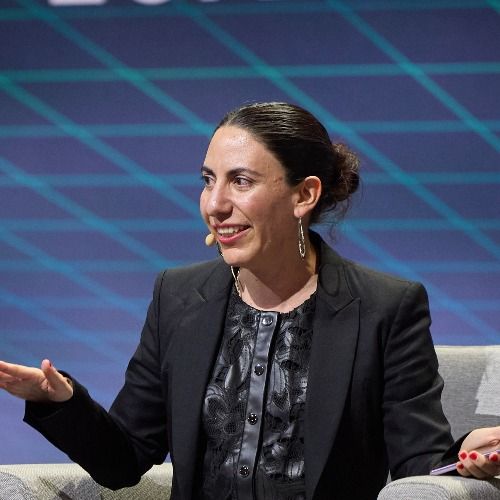
Product: How to build and scale Products with a customer centric focus| Edu Moore, Product Director at Clara
In today’s episode I speak with Edu Moore, Product Director at Clara, Latin America’s leading end-to-end business spend management platform. Edu has an impressive career and worked in three FinTech Unicorns - Nubank, Bitso and Clara. We go through challenges of collecting feedback, prioritization, the differences between B2C and B2B product management, and how to keep PMs motivated
"You don't necessarily need to jump from one product to another. If the one product you have is working well, is attracting new customers, is gaining traction, you got retention, you got engagement, then maybe you should focus on the core, build the key functionalities that customers want and the ones that will actually help your business grow."
Maybe this is the secret to successful unicorns let’s dive into it!
👉 You can find Edu here
- LinkedIn: https://www.linkedin.com/in/edumoore/
- LinkedIn Clara: https://www.linkedin.com/company/claracc/
- Website: https://www.clara.com/
👉 And you can find Monica here:
- LinkedIn: https://www.linkedin.com/in/monicamillares/
- TikTok: https://www.tiktok.com/@moni_millares
- YouTube: https://www.youtube.com/@moni_millares
- Website: https://moni-millares.mystrikingly.com/
If you enjoy this pod, please follow and leave a 5 star rating on Spotify and a review on Apple podcasts
🗞️ Newsletter: https://www.linkedin.com/build-relation/newsletter-follow?entityUrn=7062789745407340544
📞 Schedule a free “Open Office” call with Monica: https://www.kalendme.com/en/fintechwithmoni-ejoob
In this Purpose Driven FinTech episode we cover:
(0:00:00) The struggle of collecting feedback and customer intuition
(0:04:08) The role of purpose in Edu’s career and leadership style
(0:08:11) Transition from investment banking to FinTech
(0:10:10) The fulfillment and impact of working in FinTech
(0:12:52) Differences in product management between startup and scale-up FinTech
(0:17:19) Prioritization and focus in B2C and B2B FinTech
(0:21:20) The importance of focusing on the core product
(0:27:19) Collecting feedback and decision-making in B2C and B2B
(0:35:50) Keeping product managers motivated and high-performing
(0:43:09) Partnering with governments to promote financial education in schools
SEARCH QUESTIONS
- How to build customer-centric products in FinTech?
- What are the differences between B2C and B2B product management?
- How to collect customer feedback in B2B FinTech?
- How to keep product managers motivated and high-performing?
- How to prioritize product features in B2B vs B2C?
- What is the secret to FinTech unicorn success?
- How to manage product workload effectively?
- How to scale products from startup to unicorn?
- What makes a good product director in FinTech?
- How to balance stakeholder involvement in product decisions?
- How to avoid feature bloat in product development?
- What is the role of financial education in FinTech?
- How to manage PM career development?
- How to transition from zero-to-one to growth in product?
- What are best practices for product backlog management?
- How to focus on core product vs new features?
- How to measure product impact in B2B FinTech?
- What skills do product managers need from unicorns?
- How to handle product prioritization trade-offs?
- How to create clarity and vision for product teams?
—
Production and marketing by Monica Millares. For inquiries about supporting or sponsoring the podcast, collabs or guest appearances email Monica at fintechwithmoni@gmail.com
Disclaimer: This episode does not constitute professional nor financial advice and does not represent the opinion nor views of my current, past or future employers; nor those of the guests. The guest has agreed to record and release our conversation for the use of this podcast and promotion in social media.
Transcript
Edu Moore (Clara): Thank you, Monica. It's a pleasure to be here. I'm very excited. This is actually the first podcast I participated in.
Monica Millares: Oh, awesome. It's chat. I always say that it's just a chat, which makes it like even better. So given that it's just a chat, I think before we go into the geeky producty and fintech things, I like having a fast, get to know each other type of conversation. So that people know you a little bit.
Can you tell us what's your favorite type of music?
oduction music course back in:Monica Millares: that is cool. Awesome. So then [00:01:00] what is your superpower?
Edu Moore (Clara): Superpower. I can make a plant become my friend, I would say.
Monica Millares: Meaning you're
Edu Moore (Clara): super friendly.
Yeah. I'm too friendly. I would say. Yeah. Oh, that is
Monica Millares: cool. But probably that's a very good quality for leadership and work, working in product. Like you become everybody's friend.
Edu Moore (Clara): Yeah. Yeah. Not everybody. But in general.
Monica Millares: Yeah. Awesome. Awesome. And then what is your secret to success?
Edu Moore (Clara): I think just finding something you enjoy doing and working really hard.
to success. Yeah. I'm not a [:I had the worst handwriting. When I was a kid I was the slowest kid in high school in, physical ed courses, but it was just a lot of effort. Yeah. Oh,
Monica Millares: wow. Looking at your CV, I would never ever thought that you struggled when you were a kid.
Edu Moore (Clara): A ton. Like my mother didn't know what to do with me.
So she just taught me math at home. My sisters would help me with history lessons. And then. I just studied a ton. Yeah. Yeah.
Monica Millares: effort effort. Cool. And then this is one of my favorite questions. What is your favorite FinTech that is not yours?
say right now, Nubank would [:So yeah, I would say Nubank would be my favorite fintech right now.
Monica Millares: Bullish. And wow. And then this makes the conversation even more juicy because we'll go into all that detail. But before we go into the detail, can you tell us about Purpose? What has been the role of Purpose in your life and in business?
Purpose. Purpose.
honest, I didn't know what I [:Their own world from way below. I didn't have a corporate education, like family example, it was just a couple of entrepreneurs that work together and just work their way through. So I went, I always make options that allowed me to explore what did I actually want to do. So I went into industrial engineering, which opened a wide range of options out of college.
So I did investment banking, [:To be honest. I didn't see. What is the impact I'm giving? I'm helping companies make hundreds of millions of dollars in deals and M& A, but I'm not actually making a huge impact, or giving back. So I decided to do an MBA get out of Argentina, explore working abroad. During my MBA, I took some entrepreneurship lessons, at MIT's Martin Trust Center.
some cases. So, that's when [:We won some fellowships and grants and got close to building a prototype, but the three of us had a ton of depth and everybody was also looking for a side job and a way to hedge, eventually it failed. So lesson number one I would say if you're going to build something, Commit to it, and burn the bridges, right?
uld open those doors for me, [:And I was lucky enough to get into the private equity practice at Bain. And within the private equity practice, I was working mostly for technology companies around North America, right? So that's when I figured out, okay, tech would be a great place to work at. And then after a year working in consulting.
es in the world that I could [:Yeah. And then when starting working at Fintech. Like making products that would lower the credit card interest rates for customers. So that made sense in my mind, right? Okay. So now I'm doing something [00:09:00] that is making sense now in. Now I'm doing something that makes me want to wake up and work harder, right?
Monica Millares: Yes, I can totally relate to that, to your journey, both from Argentina and from Mexico, right? So it's the, I think both of us were, even though we were young, we were very strategic. On the decisions that we made, I probably I, also studied industrial engineering and the reason I studied engineering was because it could open me doors to something else.
So it's so interesting because like we've never met so different pathways but similar kind of thinking of, yeah, what is it that's going to open me doors to more opportunities? Whatever that opportunity may be. Yeah. Super interesting. And then also I felt the same way. I think many people feel the same way.
nt banking, consulting, law. [:I don't know, a nice feeling. I don't even know exactly what's the feeling, but it's fulfillment. It's meaning, it's purpose. It's, a collaboration. You feel part of something that it's even bigger than your own FinTech. It's Oh yeah, we're in this together. It's
Edu Moore (Clara): not anymore about. Trying to impress, trying to feel that you're worth it, that trying to get over the imposter syndrome, like it's actually giving value.
d have Starbucks coffee. And [:This is not industry standard. But I haven't met any PMs in fintech, in developing economies at least, that don't work really hard and are successful. It's a demanding job. It's hard, but it's very rewarding and fulfilling. As you said, I think the word is fulfillment, right? And it's not any more about the salary or the credentials or trying to get that, what was like four out of five score or a high performer, you really don't care.
nd then you're in amplitude. [:What I would, what I will say is that if you can find purpose in, those schools, like investment banking or consulting, it is amazing. And the impact is huge, right? And, I would never, if have, if I had to go again through investment banking or consulting, I would do it all over again. They gave me the skills. That helped me get into tech and, being a good PM I would say. Yeah,
hat it's growth in fintechs. [:It's like a ton. But you've entered the fintech, like your three fintechs, when they were probably where I am now that it's like the fintech is established. And then, boom, they are about to Going to the growth curve, how does PMing product management changes once you go from let's say a startup to a scale up and the scale ups actually starts to grow, properly, like you've experienced in your brand can be so I know Clara,
Edu Moore (Clara): I would say.
o experience both the Nubank [:And also Mexico's office going from 4, 000 customers to 20, 000 customers, six months later to 125, 000 customers after the first year, right? What I would say would change is, and then just to give some background to the audience, I was hired to join Nubank for their Mexican office to help launch Mexico.
then bring the full suite to [:So I came into Brazil. Ban was five to six years old. Two products, credit cards, debit card, check ins account. That's about it. Wow. 1, 500 employees. 500 engineers.
Monica Millares: Wow. That's insane. Like, when you say those numbers, I'm like. 1, 500 people in the company, I heard 200.
Edu Moore (Clara): Yeah, but did those early stage new bank, I think right now, I think they're closer to what?
eadquarters, at the cafe and [:Company strategy was wide open to the whole company. They would even share three year strategy, five year strategy in the PDF in Slack channel, right? And then you would be part of, you would feel part of that momentum and that strategy and that. Where are the companies going? And also there were not so many layers.
[:And all the numbers and metrics and the sample sizes were smaller. And and it was like way, way more working, getting it done, shipping the product and see real impact real fast. I felt like when a startup is really old, you feel like you have a lot and a growth and scale have a lot more resources, a lot more people that have gone through a lot of battles and you can find solutions easier.
uld write, the research plan.[:I would be way more involved in customer interviews and participate in all of them. Whereas maybe in Brazil, I would have a UX researcher that can handle a bunch of interviews and they could jump in one or two, right? And then what, eventually happens and this happened Nubank and bit, is that the older the company I think the, you need to have more processes.
And some people find it like bureaucracy or it's slows down velocity. The thing is, when you have a large customer base, you're impacting a ton of customers. And then when the tech stack is composed out of a lot of microservices or even a huge monolith. Any minor change you do here can impact something over here, right?
ou really need to be careful [:With C levels, forget about it, gone. And then sometimes the strategy is not so open to everyone. No. So unless you're in a leadership position, you will depend on your leader to provide the visibility and to communicate the, that high level of company strategy vision.
hereas in a smaller company, [:They feel that their purpose is very limited. They feel like they have little decision on the products they built and why they're building it. And some of them are not even reporting to product managers. Like we big fintechs at some point, like sometimes product managers are reporting to, and that analytics leads or data scientists, or something that is not a product manager.
e company you're working on. [:Right.
Monica Millares: That is super insightful. It's you are me in the future, . I was like, that is so cool. I haven't lived with that and we're on the way. But that is cool. And I think many of the fintechs have not experienced that because there is not that many fintechs with. 5, 000 employees, 1, 000 employees, probably it's less than 20 in the world.
t some point we need to do a [:Now you've got the credit card. How do you. Make that like in Brazil, like how do you make that card to reach millions of customers, right? Rather than just build another, you cannot build another credit card you can, but it's incremental value. Was there a shift in mindset?
Edu Moore (Clara): So I can speak of, I had the two experiences, like in one company, I built like a zero to one crypto card with my team. And another company I joined when the card was already
The way I thought about it was,
already satisfying customer [:five years or four years since, since inception. And debit card, came as a result of reducing funding needs, and accelerating growth, at some point you cannot give credit to everyone, but you could get the debit. Yeah. And that was the one thing that, that really made the hockey stick in, in growth.
tion, you've got engagement, [:And, the ones that will actually help your business grow, right? Because, think about building what customers want is that. Many customers do not know what they want, right? And you need to build that intuition, right? And then you can jump into new products, right? But again, until 2019, NewBank only had credit card, debit card, checking account, right?
And then:What I see a lot of things it's trying to do is going or chasing behind the table stakes. All the time. This competitor has launched this new feature. This competitor has launched this other feature. Yeah. We're way behind. We need to have whatever B2B fintech. We need to have 10, 15 year piece APIs for our customers.
e year PAPI two, three, four [:Eventually, right?
Monica Millares: Yeah, I really like that because then it's like going back to the basics. And this reminds me of my times when I was not in fintech, but in banking and in Barclays. This was like so basic, it was like the core, we would talk about the core all the time and being good at the core. And probably that's what, I think you're right.
Like many fintechs are like, Oh, so and so just launched and it's so fast paced and everybody needs to launch everything. It's wait, let's step back.
Edu Moore (Clara): Yeah, and a great example for me in the cards space is Google pay, Apple pay, right? Yes, in some countries like Brazil is like table stakes and depending on the income level, like it's almost mandatory, right?
But actually if you're [:Because you will have less information on those people. Yeah, so you can increase your credit lines so you can serve them better. And there's where you should put the money, right? Because, Apple pay, takes four to five months if you do it right. And if you do it fast, or you can go through a banking service provider, but even so it will take you two to three months, a couple of back end engineers.
h like SG& A salary is. Some [:And customers are complaining about that and you're working on Apple Pay, right? Yeah,
Monica Millares: so it's guys, let's step back a little bit and think before we put everything in the roadmap, basically, that's the key takeaway. So one of the very interesting things about your career is that you've worked in FinTech, B2C and B2B, both.
s, how are they different as [:Edu Moore (Clara): So I've been there a month or so in B2B. I just joined Clara as a product director. And I think the main difference that I've seen around the ways of working in B2C against B2B is that.
Number one, in B2C, you don't have a sales team, right? And you didn't have a post sales team. So you need to do secondary research on the sales team, right? And understand what are customers thinking about doing interviews, sending surveys, and collecting data from prospects or non customers, right?
at you do have a huge sample [:I think the biggest struggle is to collect feedback and build that customer intuition on, what the customer needs, right? To help purchase the roadmap. So I think number one, sources of truth and how you collect feedback, right? B2C, surveys, do quantitative qualitative research. In B2B, you actually interview your current customers, and then what you need is really strong CRMs where you can collect feedback on the sales funnel, right?
what is lacking? Within your [:And then in between, you cannot fall in love with either your current customers or your prospects, because if you only focus on your current customers, then take an example of Brazil, right? You will have a hundred thousand employees. Employers, right? Or that could be your target segment, right?
ybe you're missing the whole [:Yeah. Also, if you only focus on the people that are rejecting you, then you're not serving well your current customers. So you need to balance that, I think the, second biggest difference is product prioritization. So in B2C. We have many books and playbooks on how to prioritize, right?
You have impact versus effort. You have the rise, you can do it in any way that you want, and you will have enough data to actually size, measure it, and actually define if it's a good way, to, put it up or down and you can have your, strong data sources or intuition, but I think it's a bit easier to prioritize.
egional. Companies, you have [:Yeah. Okay. Or they come from prospects that have rejected your offer. And they have stated that the reason they rejected was this. So the first one strategic account tells your sales person that they want this feature. So you tell the product manager owning that journey of the value proposition Hey, we need to build this.
timization, right? There are [:We will serve them, but they're not actually generating additional profit or revenue to us. They're like breaking even and they're just compensated for our costs to serve them. Yeah. But we're happy to serve them, but I don't know if we would build something specifically for them. And that could be one way of looking at it.
The second factor is of course, like you need to size the engineering, effort of it. But an impact is it a strategic? So if I do this change, will they increase their usage? Will they be more eager to use us? Will the, will they be prompt to actually. Purchase, like a SAS subscription if we develop this new feature, right?
Yeah. [:And then you have the regional, PSE, if the B2B FinTech is regional work, am I building something that is country specific or will this be also helpful for other geographies, right? And these trade offs are usually more on the ops and onboarding side and sometimes some payment methods. Or ERPs, than on analytics, experience, UX, UI, dashboards, [00:36:00] et cetera.
Monica Millares: It changes. It's like a different type of conversation altogether.
Edu Moore (Clara): Exactly. So sources of truth on what customers need. How do you prioritize what customers need? And then stakeholders. Involvement in product decisions, differs, right? Depending on the company, what I would feel is that in B2C product might have most of the power in decision making, whereas in B2B, it's a hands on collaboration, decision making with a lot of trade offs, right?
ounts, delivers value to the [:Because in B2B, the thing is that
h something immediately. Wow.:Yeah. The return investment could be higher, sorry. But the time to see the investment could be slower.
you work with a lot of PMs. [:That is key for a FinTech and a successful team overall.
Edu Moore (Clara): Yeah, that's a good one. So what, I would say is.
What makes a PM frustrated?
Number one, feeling they cannot deliver at the pace you would like to, right? I cannot speak for all PMs, but at least many of the PMs I have worked with have high standards for themselves and they don't like to fail, right? They have a high bar, right? And they're mostly overachievers or they really want to make it right.
lack of clarity ambition on [:Yes, exactly. And the other thing that frustrates a PM a ton would be lack of clarity and career path, right? Where am I going? How am I growing? If you join a FinTech, especially a startup series, A, B, C, whatever, you're looking at the upside. You're looking at the salary, beyond paying your bills, but you're looking at the equity, the upside.
in points and what gets a PM [:What I would do is workload management, best practices from consulting and banking, right? So any PM that works with me, I would help them with their backlog management. So every Monday. They would tell me what are the key priorities for the week on a Slack message or a synchronous, right? Then I would align those priorities.
ies this week? Yep. And then [:As you purchase the product backlog, you need to have your own personal backlog. And then they start hitting the key priorities and objectives, and they get less anxious because they know what to focus on in which order, right? And as a leader, you can help them on that. On clarity ambition, I would share to them the strategy that I ambition that I received from above, right?
unt. So flywheels could be a [:But that's something that we need to work forward for now. I think the most important things for us to focus on delivering a wallet where you can deposit money, et cetera, and they can also share that vision with their teams. If they believe it's worth it or not, but they at least have clarity on what's the idea, what's the goal, why are we building this right career path?
I'm a big promoter on monthly feedback sessions, so I pushed them to set up feedback sessions with. Their engineering pair, their design pair. And if there's any business analytics pair, like just have that one on one. And I myself set up one on ones with them so they can give me feedback on how I am.
setting the example works a [:And on every performance cycle, what I would do is, So this is how you did over the last semester or whatever cycle length was. This is where you're at. This is the next level. Let's do an action plan. And just tell me, and just tell me what you're going to build. What are you going to build to hit those things that could help you get to the next level?
So that's, [:And there's like this amazing Brazilian, pm. Ed school, ed tech called PM3 whose founder, Marcelo Almeida worked in Luban with me at the time. Yeah. I hit Marcel, I told him, do you want to go to the best product school in Brazil? Yes. They were, they both wanted to go, both associate PMs and they're both going to that course.
you can get a PM motivated. [:It's really hard for them to fail. If you said that those boundaries for them, right? If they do fail after setting those boundaries, maybe it was not the right job, it was a bad moment for them. But at least you set the right course rates, right? And they will be forever, grateful, right?
Monica Millares: Of course.
you were to change one thing [:To make fintech better for customers, staff, and shareholders. What could that be?
Edu Moore (Clara): Wow. It's a tough one.
I think the one thing I would change is having fintech companies and financial institutions partner with governments to promote financial lives and financial education within schools. Since people, from the beginning when people are kids, and having like money management, wealth management, spending, having good, healthy financial habits, being part of the education curricula.
nks, they. Are the ones that [:I think as product managers, we always complain that one of the big pain points is that people don't understand the products. People don't know how to use a credit card. So do something about it, right? I have an education blog on my website. Nobody. He's going to read it, right? People don't have time.
I didn't really care. But yeah,
[:And I think that could really change, customer's
Monica Millares: lives, right? Yeah. And I'm like, that can change the future of humanity as such.
Edu Moore (Clara): Yeah. Yeah. Cool.
Monica Millares: It's been such an amazing conversation. I'm like, I have no idea how I'm going to cut this into small videos and be like, this is the most interesting bit.
I'm like, you have to listen to it all, not just that minute. Where can we find you and your newsletter?
Edu Moore (Clara): So you can find me on Twitter. I'm Edu Moore, Edu from Eduardo, so Edu Moore blog. You can find me on LinkedIn. I post content on a weekly basis. And they have a newsletter on LinkedIn and I'm hopefully building a sub stack soon.
llow me on LinkedIn, and see [:Monica Millares: Yes. And all the details will be in the show notes. So can easily find him. Thank you everyone. And Edu, it's been an absolute pleasure. Thank you so much for your time and for sharing all that wisdom.
Edu Moore (Clara): Thank you, Monica. This was so much fun. Yes, it was. Thank you.
Bye bye. Bye bye