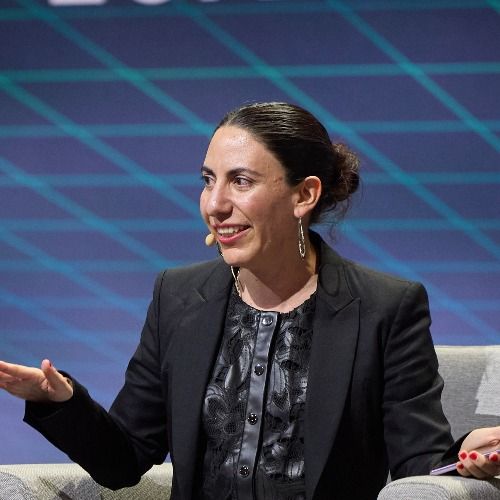
Episode 21
Product: Jas Shah Reveals How to Build a Killer FinTech Value Proposition | Jas Shah, Founder and Consultant at Bitsul
A differentiated FinTech value proposition that resonates with customers is what differentiates the great from the average - nice UI/UX is not enough anymore! It is easier said than done. But it’s not an impossible mission.
In today’s episode, Jas Shah takes us step by step on how to build a solid proposition. We first get very clear on the difference between Product and Proposition - or the relationship between these two. We define what makes a strong proposition, go in detail on how to do Discovery work, and the very delicate topic of trust.. how do we create trust with our customers?
Jas is an experienced Product manager & Consultant with a history of successful projects across Financial Institutions. He is the founder of Bitsul, a consultancy that helps organizations supercharge their products and implement process and strategy.
If you enjoy this Purpose Driven FinTech episode it would mean the world if you subscribe and give it a follow so that we can have more impact. Remember to connect in YouTube or LinkedIn to keep the conversation going.
Let’s dive into it!
👉 You can find Jas here
- LinkedIn: https://www.linkedin.com/in/jas-shah/
- LinkedIn Bitsul: https://www.linkedin.com/company/bitsul/
- Website: https://bitsul.co.uk/
👉 And you can find Monica here:
- LinkedIn: https://www.linkedin.com/in/monicamillares/
- YouTube: https://www.youtube.com/@moni_millares
- TikTok: https://www.tiktok.com/@moni_millares
- Website: https://moni-millares.mystrikingly.com/
In this Purpose Driven FinTech episode we cover:
(00:11) Discussing the Complexity of Building a Product
(00:50) Dealing with Difficult Times
(04:17) Reflecting on Career Choices and Lessons Learned
(05:25) The Role of Networking in Career Progression
(08:27) The Journey into Entrepreneurship
(10:41) Building Purpose-Driven Fintechs
(15:27) The Story behind Bitsul
(20:45) Understanding the Distinction Between Product and Proposition
(22:44) What Makes a Great Proposition
(25:47) The Role of Clarity in a Killer Proposition
(26:58) Discussing Examples of Clear Propositions
(27:56) How to Achieve Clarity in a Proposition
(28:38) Understanding the Problem: The Importance of Discovery
(28:55) The Process of Research and Hypothesis Formulation
(29:37) The Iterative Nature of Product Development
(30:00) The Importance of Market Analysis and Competitor Research
(30:14) The Product Development Cycle: Ideate, Discover, Design, Build, Launch, Repeat
(30:37) The Challenge of Getting the Basic Process Right
(31:00) The Importance of Review and Reflection in the Process
(31:16) The Pitfalls of Assumptions and Skipping Discovery
(32:04) The Challenge of Changing Course Once a Strategy is in Place
(33:15) The Challenge of Making a Product 'Sticky'
(34:14) The Importance of Customer Feedback and Community Building
(34:31) The Role of Metrics in Understanding Product Performance
(37:38) The Importance of Iteration and Learning from Failures
(42:01) The Challenge of Building a Culture that Drives Innovation
(42:13) The Role of Leadership in Fostering Innovation
(54:20) The One Thing to Change in Fintech
SEARCH QUESTIONS
- What is the difference between product and proposition?
- How to build a strong FinTech value proposition?
- What is discovery work in product management?
- How to create customer trust in FinTech?
- What makes a differentiated value proposition?
- How to validate product ideas with customers?
- What is the role of customer feedback in product development?
- How to build innovation culture in FinTech?
- What is psychological safety in product teams?
- How to iterate on product features effectively?
- What is the importance of talking to customers?
- How to build community around FinTech products?
- What are the challenges of retrofitting customer research?
- How to balance perfection and progress?
- What is the consultant approach to FinTech product?
- How to empower frustrated users to build solutions?
- What is the mission-driven approach in FinTech?
- How to celebrate wins and failures in innovation?
- What is the role of senior leadership in innovation?
- How to create space for experimentation in product teams?
—
Production and marketing by Monica Millares. For inquiries about coaching, collabs, sponsoring the podcast or creating or editing your podcast email Monica at fintechwithmoni@gmail.com
Disclaimer: This episode does not constitute professional nor financial advice and does not represent the opinion nor views of my current, past or future employers. The guest has agreed to record and release our conversation for the use of this podcast and promotion in social media.
Transcript
Jas Shah: Great. Thanks, Monica. Yeah, thanks. Great to be here. And yeah, having a great day so far.
Monica Millares: Good. I'm really looking forward to this chat, because we're going to talk about prepositions. And there's this thing about building product that building product is complex, but defining a strong preposition, it's almost it's not that it's impossible, but it's like mission impossible.
Oh, how do we do it? And that's the topic for today. So really looking forward to that.
Jas Shah: Cool. Yeah. Great use of the word mission impossible as well. Cause I think we're probably going to talk about, purpose and mission. So nice,
he industry, we have careers [:Learn not just how to navigate work and product and FinTech and purpose, but like ourselves. So I want to start with a few questions on mindset about you. So let's start with, how do you deal with the difficult times? Where the difficult times can be those days that you're frustrated for no reason that it's like I'm anxious.
Or proper difficult times.
it's physical activity maybe [:So for me, what works for me is fresh air. exercise, and then a cold shower. Again, that sounds really, like bro sciety. Oh ice baths. But it, works for me. But then sometimes I will go out and have a Have a glass of wine or probably about four, regret it the next day, but it's good.
Yeah, it's not, I mix it up, but exercise works for me. I think it doesn't, necessarily work for everyone. It's courses for courses really. Yeah.
Monica Millares: Yeah. But I like that because I was thinking about this, like recently I was like, Oh, I was like, Oh, you're jet lagged.
h, exactly. Went for a hike. [:Jas Shah: the bag.
Yeah. You tie it. Yeah, you tie yourself out a bit. And I think maybe with the jet, like it resets your body clock. So you tie yourself out and you feel you feel tired, go to sleep, wake up normal. Normal hour and again, a bit more bro science, but like sunlight going out and getting sunlight.
What I've realized is when I'm in, in a house, like in a room with limited sunlight for a day, or even two days where I'm just working away, it makes a massive difference. I feel like, Oh, I feel a bit off. Like, why do I feel flagging a little bit? And then I'll go for a walk sit in the sun for just five minutes, just get some sunlight and then come back and I'm like, Oh, I feel, yeah, I Yeah.
eck out some of the podcasts [:Monica Millares: It works. Cool. I like that. And I like starting in that way that it's like the tough times because they are inevitable, but it's just part of life.
So the other thing it's like. You've got a successful career, then you've ventured into building your own consulting firm. So you've tried different things. If you were to look back at younger self, what is the piece of advice that you wish somebody gave you back then, but didn't?
Jas Shah: Yeah, it's yeah, so it's not, but didn't, it's they, did, but very subtly.
prosperous career. It's not [:That doesn't, it doesn't usually equate directly. And I think maybe this is like a cultural thing where I first, when I graduated, I thought, Oh, just work hard, do great work, but put hours in and be there and be visible and that's it. And what a few of my managers at the time were telling us, Oh come to this, networking event, come to this, come to this training thing we've got, come to this town hall thing we've got come to come all, come to all these events, meet all these people, speak to these people, network with these people, and I was constantly saying, I'm too, I've got too much on, I need to do this, I'm too busy, I've got, oh, I'm going to, try and nail these five projects in the space of seven weeks, and I'll head down working, And other people who were maybe work, like putting less hours in, but doing the networking [00:06:00] thing and speaking to all the people around different businesses and people above people, horizontal, we're getting further ahead. And I was like, oh, this is weird. I guess it's, visibility. So it's not just hard work.
You have to still be visible. Working hard and being in a cupboard where no one sees you means that you're not necessarily going to get a promotion that you think you deserve or expect because no one can see you. So usually these promotions are based on peers speaking to each other and saying, oh, who do you want for this role?
Who do you want for that role? Like it's, a bit of hard work progress, like attainment, yearly review, performance reviews, but also there's a peer networking aspect to it. And I think I realized A bit later that, Oh, I need to go, I need to go to these events with my boss so that they know I'm, I work in her team and we're together and we do we do this as part of this project.
ce of the project. Sometimes [:I wasn't, taking them on. I was like, Oh no, I'm too busy to do that. Yeah. I've realized now that
Monica Millares: Really, good piece of advice that even at our stage of the hours careers, we can still change it.
Jas Shah: That's what I say to lots of people who can maybe ask me, Oh, what should I do? What should I do? It's what what do you like talking about? Like you're in FinTech. You talk about this, you talk about this. Go just write a blog. Do a podcast if if that's your preferred medium, write a blog, go to a conference, just go network with people, but just be out there and be more visible.
u go to conference or once a [:Monica Millares: definitely. And then I think, you're a wise man based on I see.
You've got a lot of experience, made some errors and now you're like, Oh, okay. I should have done that. That's what I mean with wise.
Jas Shah: Yeah, I'm a learned, I'm a learned person. Yeah.
Monica Millares: So you then ventured into building your consulting firm. You ventured into the entrepreneurial journey. What's the biggest lesson that you've had in this
Jas Shah: journey?
Yeah again, I don't know if it's a cultural thing, but I've maybe spoken to other people who've their parents, or that one of their parents is not UK, British resident originally. So I was born and raised in this country, but my, parents have always said, I'll work hard and try and do this, try and do that.
I've learned is trying to do [:It's not necessarily beneficial in the long run. I think it's, Winston Churchill quote, perfection is the enemy of progress. So I was always like, Oh, I can I'm a former engineer. I can do, I can build a website for myself. Oh, I can do a logo. There's loads of tools out there. I can do a logo or I can come up with a company name.
And I was like, I was doing all that stuff myself. And I was like, I could be doing client work instead of this. Like I'm spending time and effort doing this stuff that like there are great design and web agencies out there and illustrators who actually have way more experience than I do in this thing.
I don't know why I think I [:You're not also going to be the best like producer. You're not also going to be the best like events host. So picking and choosing some of those. Those battles to make sure you don't, it doesn't cost you in the long run. Yeah. Biggest lesson.
Monica Millares: Pick your strengths, basically.
Jas Shah: Yes, exactly. Pick your strengths.
Pick your strengths to pick your battles.
Monica Millares: Yeah. That's a good one. So moving more on topic, FinTech and purpose. As a product person, how do you think we can build more? Purpose driven fintechs.
ion. I think I sometimes use [:So I'll say purpose. Sometimes I'll say purpose. Sometimes I'll say mission. Usually when I, say purpose, it's because there's a fintech that has. More ethical reasoning behind them, and I'll say, oh, that's more purpose driven, whereas everyone else is just generally mission driven, but if we say purpose driven, generically, I think it's, I think it's giving more people the tools and resources so that they have the ability to build things themselves, because a story, like a fintech story I usually use is the fintech born in 2011 from Brazil.
ing to a bank and exchanging [:Fee free, just transfer it, show up for BAT every single month. And that P2P FX platform is. Now wise, but it was born out of their, the problems that they were experiencing and they I'm not saying they knew them inside out, but they, knew there was a problem there. They were speaking to other people to figure out how far does the problem reach?
And then they they just had the kind of experience from their respective backgrounds to go, let's build this thing. We've got some expertise in this area. Anyway, we know some of the frameworks. The process to go through, let's build this, let's test this out, build an MVP, try and get that out to market, build a customer base and grow from there.
frustration and those direct [:And I think that's,
Monica Millares: yeah
Basically, what you're saying is there's a bunch of frustrated individuals. Who are, I posted about that today, for example, I went hiking with friends here, all the international and we were all talking about money and how difficult it is to be an international person and manage your money and to end pensions, credit score, mortgages.
And everyone was frustrated. It was a real pain point for everyone. And what you're saying is that how we make things more purposeful is take individuals like that with a real pain point and empower them. To go and build a company and be entrepreneurs. I like that approach. Yeah. Because I have the passion.
It's a,
monica-jas-shah_full_length oct 29, (1): yeah.
as Shah: And the pain point. [:Step back. And if you're just solving a problem that you don't really relate to, you don't really understand. Like it's a bit, it's a bit more difficult. Lots of people do it. Loads of people do it. But it is a bit, it is a bit tougher. So I think it's easier. To give that, give the tools, the knowledge and the support to people who are resilient to it and have that purpose, that inherent purpose, because it's a problem they're facing every single day or problem that they or someone they know faces on a regular basis, giving them the tools to do it.
n't, it's almost impossible. [:And some people use that as a motivation. I'd say that's that's not really purposeful, purpose driven. If the purpose is to be rich, then yeah, it's purpose driven, but then I would say that's purpose itself. That's not what I mean.
Monica Millares: Yeah, exactly. Talking about the journey, what is your journey?
Can you tell us a little bit about Yitzhul and the journey? How did it come to life?
I started out as an engineer,:It was more about the why, am I building this thing? Who is it for? What, why are we building this thing specifically? Could we be building something else? Like I'm getting the same request over and over again from different teams. Should we build the centralized thing? And it was that kind of led me to, do more.
I moved into the analysis side of things. So I was a BA on a grad scheme at Citibank, which was super great. Foundation for my career generally. And I understand now why grad schemes are so highly regarded, because you have 360 training across loads of different teams, you're you're in a mini team yourself, just graduates cross spread across, you learn how to network a bit better.
ool there. Working with fund [:And then at Fidelity, I basically did the same thing, but just a bit more senior and more, there was more work involved. It was more building out a team and the tool, and doing a bit of work during a transformation process. And then at 2018, I think, I realized I was going to I was going to end up going to another company and probably doing a year, maybe two years.
re's red tape red tape stops.[:Tape generally stops, yeah, someone from running into a crime scene, for example, that's why police tape exists. Red tape exists to stop you from, going to an area that maybe someone's trying to there's budget You have to find the right amount of budget, you have to direct it in the right areas to align with.
Strategy and mission, which we'll probably talk about later. So I was like, Oh, I'm going to, I just want to work on more projects. And so I just left Fidelity, took a month off and spoke to some old colleagues and friends, I just reached out on LinkedIn. Does anyone want or need any of my expertise?
om zero to one, but help you [:I got a couple of clients. I worked for my old company, Schroders, for six months. And then snowballed from there, really just got loads of word of mouth. Yeah, word of mouth projects. I've not, I've never done any formal. Marketing, advertising, usually word of mouth, people just say, Oh, we're looking for a good product person.
We don't want anyone permed right now because we're not sure about what we want for those early stage companies. And then for the later stage companies, it's, we're looking to scale. We don't necessarily know how what does good look like? Can we use your experience, come in scaling strategies again for us?
lting, these huge consulting [:Exist and operate, but I was trying to picture myself as you get the good of the huge consulting agencies, the experience the, come in and do stuff expertise without the ridiculously high cost overhead, because they have to put thousands of people on a bench and loads of holiday pension, all that kind of stuff factor in.
And it's very specific expertise. It's FinTech product. It's not, product everywhere, it's really specified experience. So that's how it started. And then, yeah it's taken me to this day and, good, number of FinTechs under the belt, loads of progress, loads of happy, founders, loads of happy product people and teams which is always good to hear.
een product and proposition? [:Jas Shah: Yeah. I think it's a, I think it's a tricky one. I think traditionally, I think product and proposition is separate.
Product is the thing that a customer buys or the thing that a customer uses and they'll buy. They'll go use it physical product or a digital product and it fills a specific need more A set of needs and then a proposition is more the Description narrative around it why the why a person should use that product why it's impactful.
What are the product's values? I think now I use it interchangeably sometimes, but when I usually, when I talk about proposition, I'm talking more, more holistically and I include the product. When I say proposition, I'm like, it includes the product, but includes marketing, includes the messaging, includes the brand, includes operations, includes the logo, includes everything across the board.
t just the product, it's not [:So purpose. Yes, exactly. The vision, the mission, the strategy, all of that stuff comes. Yeah. The, vi Yeah. The vibe of it. Yeah. All of it comes on the, vibe. Yeah. Under the proposition umbrella. And the pro and the product is the product, which is obviously a critical part of creating a business and creating proposition.
But product and the proposition like pro proposition is like one umbrella over across everything. Yeah.
Monica Millares: So then what makes a great proposition?
So I'll, usually say unique [:The last bit is something that's probably not As as valued in the process from my experience and the good killer propositions are clear, it's clear who they're for, it's clear what they do. It's it's clear how they do it. And the messaging is all of the messaging from top to bottom is clear.
That's the one kind of overlapping thing I see with the other things. Sometimes it's, they're interchangeable. Sometimes it's just, Oh it's really, customer centric product, but it's not super unique. Or it's a really unique product, but it's not maybe super innovative. It's a unique branding, but it's an existing product or an existing concepts, existing problems.
se things and they're clear. [:Valuable in that it gives a customer something back. Obviously you're solving a problem, but usually the value is, usually the value is either cost or time saving. That's those are the two, common ones. It's all. We'll save you we'll save you some time, we'll save you some cost or convenience.
So we can do this faster. That's what you'll see a lot of taglines on FinTech websites. It's the fastest, best, cheapest, most efficient. Yeah, exactly. And that's just the flip of what the value is for the customer. So it's it's cost, it's time, it's convenience energy and emotion, maybe. So valuable in that sense, Clear as in all of that stuff previously is clear to the customer.
How is [:Is why is this proposition is very clear. They've been very clear from the start. Their mission statement has been money without borders. It's, been a bit longer. I think it was money without borders, instant convenient, transparent and free. But now I think it's just money without borders and I think that goes back to what you were saying.
What you were saying earlier about your, those seven points I think there's seven points. Yeah, I've
Monica Millares: screenshotted
iously that's where they've, [:But I think they're moving into that, the, next few tiers, which is money without borders, meaning we're going to just solve it. For, solve this problem for everyone, which is the problem that, that you face. And I think I know others who face it, especially us, for me, it's weird that the biggest impact is us citizens who come to the UK or go elsewhere.
They have the biggest issue with investing. They have the biggest issue with sorting their tax out. And it's weird to me that's such a big issue. But again, maybe it goes back to our point. I'm not a US citizen. So it is weird to me because. I I don't experience the problem on a day to day basis, but whenever I say to a U.
S. friend, Oh, why don't you just invest here? Or why don't you put your money in an ISA? Or why don't you put your money there? They're like, it's too complicated. No,
Monica Millares: because Yeah.
Yeah,
Shah: Yeah, so yeah, I think [:They don't, hide, the fees are pretty clear, the offering is pretty clear.
Monica Millares: Because if you think about it, like if someone asks you, why should I use? This product or this fintech, you need to be able to say without a doubt because of these, and the only reason why you say because of these, it's because I have a killer proposition, but not only that, they are able to communicate it in a really concise way, easy to remember that it's like, Oh, yeah, it's the best, whatever is it that the product might be.
So now that we have defined [:Jas Shah: I think, foundationally, it starts, usually it starts with an idea, like it starts with an idea or a hypothesis of an idea. So it's, I think this and here's why. And then the next step is. Checking, proving, researching the hypothesis. So it's, discovery, finding out what's the issue we're trying to solve.
ulating a new hypothesis, or [:I think there's seven real big pain points for for expats or people from the U. S. traveling moving to the U. K. Here's a lot of research to prove why each of these points exist. And here's here's some problem statements maybe jobs to be done, identifying a point of differentiation, creating a brand, creating some journeys, creating a prototype, and then testing that, proposition with the customers that you've already identified.
That's that for me, that's like standard cooking. Everyone most product people know that's, how you do it. You, usually what happens is there's like slight deviations you might, get to the hypothesis point. And go, we still don't know we still have no clue if this product is going to work or not based on discovery and you'll go back and go, do we need to change our hypothesis?
h of people, more questions? [:I think that's simple. It's usually it looks ideate, discover, design, build, and then maybe mini launch, then repeat. Yeah. It's different for different organizations. Yes.
Monica Millares: And what it made me think, it's you're right. That's the process that if you've been in product for a beat. It's yeah, that's what you do, yet, even though it's the basic process, not everyone gets it right.
ink we may not get it right? [:Jas Shah: I don't think it's built, I don't think it's usually built into, the process to step back and review.
I think. Product people will naturally try and, do that work, but I think it's partially that, and I think it's partially the assumptions. Sometimes the ideation bit, like the initial, I think this because this, that comes from someone who feels it so strongly that it doesn't really, like you do discovery, but it doesn't really matter.
Like you do discovery as almost like a checkbook exercise. Oh, we have to do discovery because of this. Or what people would do is here's an idea, we'll jump to product strategy. Here's an idea, here's a strategy around the product, based on competitors features, based on what I think the problem is.
or like a lead or a project [:We've done a lot of research. That's not really the problem. The underlying problem is this, there's a bigger organization. We've already decided, allocated the budget. This is the solution we're going to build. We've already blocked out resources and, that, that kind of let's stop and reflect time is not.
Baked in, I get why big organizations, I get why again, it goes back to red tape, goes back to budgets and cycles and, really high level strategy and the high level strategy trying to precipitate down to different teams. But at small organizations, I don't think, I think it's very difficult to get away with it, small organizations, because you run out of.
look at user growth adoption [:Yeah.
Monica Millares: So how do you avoid getting into that trap of, Hey, we did this work. We came up with this proposition. We did some build, we built something, we tested. But it's not sticky because people are used to using wise, for example, or whatever in any, category, right? Like how the founders then can go around the challenge that it's yeah we did it properly.
We validated the problem statement, but it's still not sticky. Yeah. Enough for investors?
e's, I think there is an art [:Yeah. 'cause they just believe in what they've done or, yeah, they does. Or they've, got a track record of it or they've got a network of people who are willing to just. Fund them. I think it's more of proving, speaking to customers and trying to understand, going back to, those customers and understanding why, it's not sticky.
Again, as part of the, as part of product launch, as part of that, design build and launch process. I don't think enough people build in, Success metrics and markers for success in the product. So really, if you've done some discovery and you're saying, this is the problem, we've got problems, A, B, C, and D as part of those problems.
that stuff, you should also [:Solutions A, B, C and D. Here are the metrics. We're going to attach them. We want X number of people to go through this journey. We want X number of people to sign up to this thing. So you have to first build in the metrics to figure out if it's sticky or not. Then if it's not sticky, you can try and drill down what area is it not sticky?
It could, be the onboarding is so bad that the reason it's not sticky is that you expect 10 percent of customers to sign up, but only. 10 customers are coming up, coming through the onboarding group. So you get one customer a month. Could be that. Without those metrics, without the understanding, without speaking to customers on a regular basis.
been two months and I've not [:So why, like, why do you have to build some of that, the trust, you have to build some of the. A kind of connection with a customer, build a community. And then that gives you the leeway to go ask, here's a product, what did you think? And then they might say, look, it wasn't really for me 'cause of this, and this, or, I used this feature but I didn't use any of the others of this.
Yeah. And you're like, okay,
Monica Millares: or I use this other co competitors per
Jas Shah: exactly. Or the other competitor is. is faster and cheaper. And they're like okay, but that maybe it's, a problem with our positioning and our clarity, because we're not designed to be faster or cheaper. We're designed to be more convenient a lot clearer, more expensive.
ou more of an understanding. [:That could be time. That could be like, the landscape's changed takes 6 months to build a product. Usually minimum. That could be time elapsed. The landscape has changed, or it could be, we just didn't build it the right way. We need to reframe that. Or it could just be pivot, look, these three features that we thought were amazing are actually not great.
This one that we thought was, rubbish is actually the one that everyone's using the most. Why? Figure out why, expand on it, go in that direction.
Monica Millares: I like that, so it's very iterative. And I think what I've seen in some fintechs is Sometimes we build something and say yeah We'll, iterate, we'll change it in the future, but that doesn't happen.
om one feature to the other, [:Jas Shah: challenge. Yeah. Yeah, it's a challenge, it's a challenge at all stages, but it's especially a challenge if you build without that at the start and you try and implement it later.
So if you've done if you've got an idea, you build it, you don't really do you do a bit of customer research, three hands off. You don't build a community around stuff. You take it to market. You might get some customers. You start, you grow slowly and then you want to get more of an understanding of the customer base and you're like, Oh, I have none of these processes in place.
build community. It's a lot [:strenuous, time consuming, expensive to do that later on. You can always do it very light touch early on and then expand on it over time, but you can't it's more expensive to pause, we'll do it later, yeah, and then go back and try and retrofit everything. Ask any Banking transformation project head, is it more, is it easier to build everything from the start, white paper, map it out with all this vision, or is it easier to try and retrofit and move components around while the product is live?
That's a lot harder and it's a lot more expensive. Yes.
Monica Millares: And especially because the culture is already set. So not only the product is built, but the culture, not only the product team, but the company as such, it's already set to work in a certain way. And now you're trying to disrupt people's ways of working.
And it's like, why?
int. Now we have to do this. [:And like you said, affects people's ways of working, you do have to start looking at some of those processes and going, now a sprint isn't two weeks, a sprint is three weeks because we have to do, we have to do some of this research and validation and we have to do user testing. What happens is usually what happens is when a company grows from being very small to medium to big, they have to do that anyway, because.
people are [:When it's 100 people and you could DM them and go. We're putting this live, let us know what you think. If it's rubbish, we'll just reverse it. Fine. When it's a hundred thousand customers, you need robust processes in place to test it, get the feedback on it. Again, A B testing is a great way of doing it, or even just like toe in the water litmus testing.
Here's a mock up of this feature. It's here's a video of it. What do you think? What's your initial thoughts? Here's a user journey. Like we're just going to do testing. It's not live. It's just prototype user journey, walk people through it. Where are the frustrations? But like you said, you have to build that into the process.
And if you retrofit it. People's discovery timelines push out, design timelines push out because they have to build a mini prototype now engineering they have to build a mini prototype, all of the stuff is impacted.
ng product and innovation as [:How do you think we can build a culture that drives innovation? It's the right mindset. That's challenging.
Jas Shah: Yeah it is challenging. I think a lot of the, I think it's challenging because a lot, of the time the culture comes from the top. So you naturally inherit, you naturally inherit a culture.
Founders, C suite, heads off. So as you grow, a hiring is really important. I guess that's that's why team fit is more important at those. No, I'm not saying more important, but it's, vitally important at those senior levels because it, all precipitates down. I think that's maybe why lots of people will bring in people they know at heads of and senior levels, because.
It's not a test. It's not an [:That's what we need and sometimes that in itself kind of fosters that innovation culture, but because it comes from the top, it's very difficult. I think the people at the top have a responsibility to put frameworks and processes in place to, to allow for that innovation to happen. Like I said, ways of working that could be blown out if you start implementing this stuff, but you have to bake in the time for people to have the right, tools, processes, frameworks to be able to just come up with ideas and experiment with them. And I think often that's what's missing because if you're working a 12 hour day, you don't have you don't have time or you don't have the emotional or physical energy to go, Oh, I thought about this idea that I had.
e a product brief. I'm going [:Monica Millares: going to
Jas Shah: be done.
Yeah. For something that's not going to be done. So I think you need to feel like I have the time and space to do it, which again is giving, everyone tools, transparency over strategy. Because again, it could innovation, as long as it's tied to the strategy, I think senior leaders are like.
ay, obviously celebrate many [:So if you're. Yeah. Yeah. So if you're innovating you're inevitably going to fail at some point. Yeah. It depends on the scale. Obviously you don't say, you don't put some newbie in charge of Wise's head of FX product stream and let them do whatever they want. But you might, say, Oh, that's that's a great idea as part of the product.
Why don't we experiment with that? But you have to give people the. The kind of scope, and space to fail and then not punish them for failing, but rather reward the kind of pursuit of something different and innovative. Sounds a bit cheesy, to be honest, but it's, yeah, it's, it needs to be there.
s going to be happy that I'm [:Yeah.
Monica Millares: I like that because it's A, create the space, but then B, it's psychological safety basically. But it's psychological safety to go and explore this idea on top of everything that you have that everything, everyone is swamped, but still you're like, but I feel okay for me to go and explore this idea that I wanted to on top of all my work.
And I feel that my boss is not going to be like, Hey, Bolt, why aren't you working on these? Yeah, and if it didn't work out, you were like I was just exploring. I like
eah, we're exploring and now [:And then five years later, Instagram comes out and then 30 second videos are all, the rage. So sometimes it's timing. Sometimes it's it just doesn't work for the right demographic. So I have to allow people to fail and maybe take those insights and move on. And again you, like, I think people, parents maybe, treat children and like children can have the time and space to experiment.
tigate or punish a child for [:But if a child creates DaVinci. After after they've done some of their homework, you won't go, Oh, my God, why should have done your homework? You'd be going, Oh, this is amazing. This is so cool. Or, Oh, wow, it's such a great, job exploring this new thing. But it doesn't happen in a professional workplace.
It should.
Monica Millares: Yes, it should. And it's making me think one, especially now that we work remotely. Like when no one is back to the office five days a week, so most companies are remote, some sorts of remote, it's more difficult to create that experience because every many people are back at home, but there is a touch point that I'm assuming most companies have that it's the weekly team meeting.
ng such that it creates that [:Jas Shah: Yeah, again, I think that's a tough question. Yeah, it's a tough question. And again I think, everyone needs the, firstly, every team should be represented in those weekly team meetings. I think I've I've been at places where sometimes different teams aren't, or.
Teams don't see the value in the weekly team meeting. So it's giving everyone the opportunity and every team should be present, but also showing all of those teams why you should be there because you'll learn about what other teams are doing, initiatives, strategy from top level, like senior leadership.
And I think sometimes people use those. Meetings as an excuse to get reports and updates from everyone. Oh I'm, the CEO. I'm the founder. I'm the head of this. I'm the senior person of this. This meeting is just for me to figure out what everyone was doing. No, that's not, it should be both ways.
Here's what's happened this [:And I think, again, it comes top down. I think if senior leadership are doing that and going, oh, we're going to try to, we're going to try this or we're doing this experiment. Let me know what you think. I think, Okay. That will, again, that just naturally creates space for others to do it and then block it out.
Part of every team's agenda, product engineering, design, marketing, ops, is last bullet point, what are you doing? That's not what are you doing? That's not standard this week. What are you doing? That's completely different to what you're doing last week or the week before. And if the answer every week is nothing, then if you're a sales team and you're exceeding your numbers every single week, that's fine.
to we're doing everything we [:And every other competitor in your space falls off and becomes
Monica Millares: bankrupt. Because in summary, it is senior leadership to lead with example, not by saying, it's like, Hey, we are doing different. We're doing these. We failed these. We tried these and it didn't work. And then it, that gives permission to everyone else it, yeah. To
Jas Shah: go and do it. Spot on. Yeah. It gi it gives permission.
I'm saying you should do it, [:Yeah. Usually. No one will do it until someone goes first. And if, your senior leadership person does it first, then you're like, okay I feel a responsibility to go do it as well. I want to, they've done it. Why can't I do it? I want to try and I want to try something different. Yeah. It's not throwing everything on senior leadership and founders and C suite, but it's, again, it's just natural.
It comes from the middle. Yeah. Literally the word leader. So usually you look at them and they're the person that you look at as the example. So it's just natural that kind of, that's where it's, that's where a lot of the innovation culture stems from. So you can do a bottom up and you can influence leaders and then.
, a lot more time consuming. [:Monica Millares: Yeah. I love this conversation. So where can we find more about you?
Jas Shah: More about me website bitsall. co. uk, LinkedIn. Type in Jashar, you might see a bit of a slimmer version on my profile picture. Maybe one with less foliage around the beard.
The LinkedIn website, I write a newsletter every couple of weeks as well, called FinTech R& R. It's not pirates, nothing to do with pirates. It's supposed, to be a play on. rest and relaxation, but also, retrospective and refinement. So it's, yeah, it's like a retro and refinement of a fintech topic I've been thinking about every couple of weeks, deep dives into specific things.
ME banking, all that kind of [:Awesome.
Monica Millares: And then one more question just to close the episode. If you were to change one thing, just one thing in fintech that can make the life of customers, members of staff and shareholders better. What
Jas Shah: could you change? One thing. Okay, so I'm going to say that every single person at the organization has to speak to one of their customers at least once a year.
sible. But what? The attempt [:It's brilliant. And then. Great. But bridge the gap. Yeah, I don't think I don't think everyone speaks to their customers. I think maybe sometimes founders do product team will usually just naturally do customer success. Yes often the linchpin of the organization, and you usually go to that team to be like, Oh, what customers been saying about this or what, they complain about?
Oh, what's the issue here? What's good about the product? And you go through them, but it's often weighted on them. And it shouldn't be, it should be across the organization. It's their responsibility to maybe gather and collate and understand, but everyone should be speaking to customers.
Everyone should know on the pulse of what, customers are feeling what they need, what they don't need, what they like and what they don't like. Cause you just said one thing. So that's my one thing.
llares: Yes. I think that is [:Once a year, just once a year, just once should be feasible
Jas Shah: Could be New Year's Eve when to be honest There's not much work
Monica Millares: Love it. Thank you. Yes, it's been an Amazing Episode it's been a pleasure. Thank you. Thanks for everyone. We should it. Thank you. Yes. See you everyone next week. Ciao. Ciao